Commercial Flat Roof Maintenance Checklist for Tallahassee Businesses
Travis Sparkman

For Tallahassee businesses, late fall is the best time to give your commercial roof some attention. Hurricane season peaks in October, ends in November, and then winter rains roll in. Catching small leaks and other issues now costs far less than dealing with a leak that affects your inventory, equipment, and customers down the road.
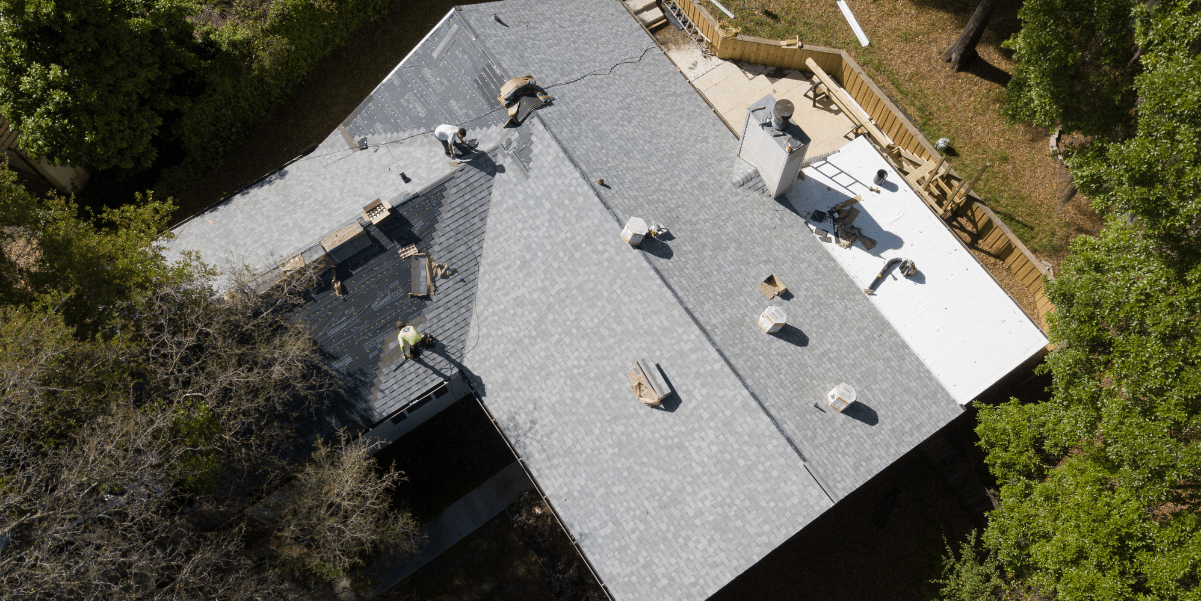
Flat and low-slope commercial roofs require care and maintenance to perform as they should. According to the National Roofing Contractors Association (NRCA), building owners and facility managers should schedule inspections at least twice a year. Those inspections should preferably take place in spring and fall. Here is a list of things that need a check-up in the fall.
Clear Drains, Scuppers, and Gutters
Water is a flat roof's biggest enemy. In Tallahassee and throughout North Florida, fall brings falling leaves and pine straw that collect around drains, gutters, and scuppers. Since this is how water leaves the roof, leaves and pine needles can block drainage.
Clean debris from every drain and scupper. Make sure all gutters and downspouts flow freely. Even one clogged drain or downspout can cause water to pool across a large section of your commercial roof during a heavy rain.
Look for Pooling Water
To spot pooling water, you’ll need to check at the right time. Within a few days after significant rainfall, check for water pooling on your commercial roof. Water that sits longer is called ponding water, and it adds weight to the roof, speeds up wear on the membrane, and can even find its way in through small openings.
Ponding typically results from clogged drains, sagging areas, or problems with the roof’s slope. If the same spots hold water after every storm, have a professional take a look.
Inspect Seams, Flashing, and Penetrations
Most commercial roof leaks start where the membrane meets something else. Check these areas closely:
- Seams where sections of membrane are joined
- Flashing along parapet walls, edges, and roof transitions
- Penetrations around vents, pipes, skylights, and HVAC curbs
Look for gaps, lifted edges, cracked sealant, or separation. Small openings are easy to repair now and expensive to ignore.
Check Membrane Surface
Florida's summer heat and sun take a toll on roofing materials. Walk the surface, or have a professional do it, and look for:
- Blisters or bubbles
- Cracks or splits
- Punctures or tears
- Worn or thinning areas
Catching surface damage early can add years to your roof's life.
Review Rooftop Equipment and Foot Traffic
Any time someone walks on your roof, there is a chance of damage. This includes contractors, HVAC technicians, electricians, and anyone else who works on your roof or the equipment on it. Dropped tools, heavy equipment, and even regular foot traffic can cause punctures or wear away the membrane.
The places that are most important to inspect include common walking paths and areas of frequent traffic. Walkway pads are a great way to protect these high-use areas.
Look Inside, Too
Some problems show up indoors first. Walk your top floor and look for:
- Water stains on ceiling tiles
- Peeling paint or bubbling drywall
- Musty odors
- Damp insulation
Even a small stain can mean water has been getting in for a while, so trace it back to the roof as soon as possible.
Document Everything
Keeping good records matters because they help support warranties and insurance claims when things go wrong. Take photos of your roof, and keep comprehensive records of every inspection and repair. If your roof is under warranty, NRCA recommends having the installing contractor make any repairs. This helps avoid conflicts with any warranty requirements.
A Note on Safety
Some checks are reasonable for yourself or building staff to handle. For example, you may be able to safely access some drains to remove debris. However, more extensive roof work carries real safety risks. Beyond basic upkeep, it’s important to leave roof work to the professionals.
Schedule Your Commercial Roof Inspection With TSpark
TSpark Enterprises is a certified roofing contractor and NRCA member serving businesses across Tallahassee and North Florida. Our team can inspect your roof, catch small problems before they become big ones, and help you plan for the years ahead.
Thinking about what's next for an aging roof? Read our guide to the top commercial roofing systems for Florida businesses.
Call (850) 766-1340 or request a quote to schedule your fall inspection today.